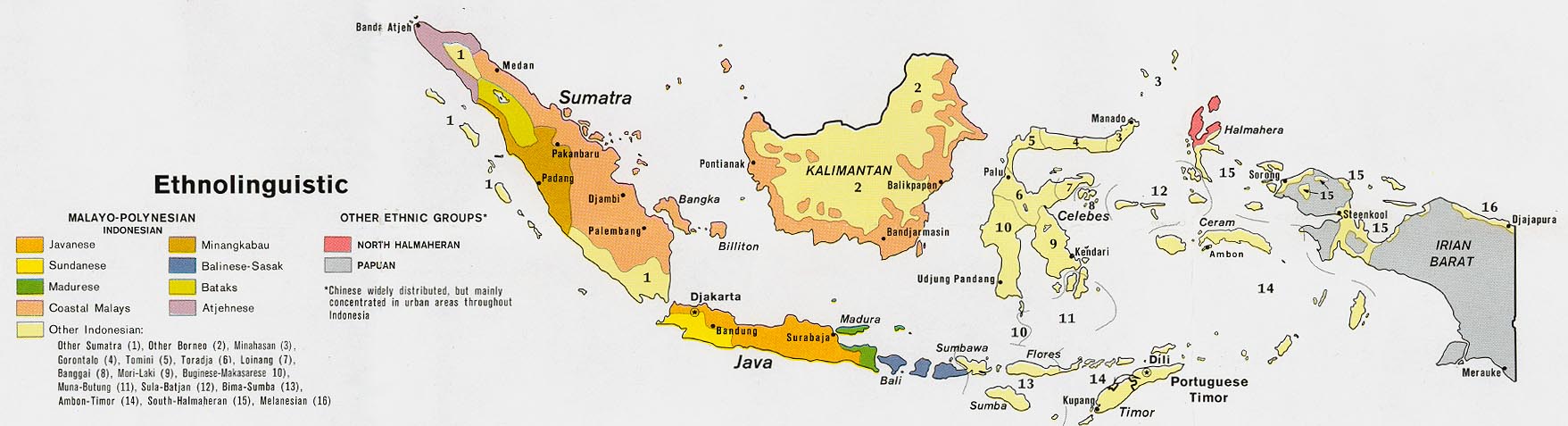
The Puragi people live in the interior region of South Sorong Regency in West Papua, Indonesia. They are a small ethnic community closely connected to the forested lowlands, where their language and culture have been shaped by generations of life in a remote environment. Their identity is linked to the Puragi language, a Papuan tongue spoken primarily in the village of Puragi and nearby settlements.
Historically, the Puragi lived in semi-isolated hamlets, relying on kinship networks for protection, cooperation, and the transmission of oral history. With the arrival of government administrators, limited trade, and outside educators in the twentieth century, the Puragi began to interact more frequently with neighboring groups, yet they have maintained a strong sense of distinct cultural heritage.
Puragi families live in small villages surrounded by dense rainforest, rivers, and sago groves. Most households practice subsistence agriculture, cultivating crops such as sago, sweet potatoes, taro, bananas, and seasonal vegetables. Hunting, fishing, and gathering forest products remain important sources of food and income. Men often clear new garden plots or engage in forest work, while women process sago, maintain gardens, care for children, and prepare meals for the extended family.
Homes are typically built from local wood and palm materials, and village life is communal, with relatives frequently helping each other with farming and household tasks. Celebrations occur during major events such as weddings, initiation ceremonies, and successful hunts. These gatherings usually feature shared meals of roasted meat, sago, and local fruits, accompanied by traditional songs and rhythmic drumming. While some younger Puragi people now attend school outside the village or seek seasonal labor, the majority continue to live in a rhythm shaped by the land and the close bonds of extended family.
The Puragi people have been exposed to Christianity through regional church efforts, but not all households consistently participate in church life. Traditional beliefs involving ancestral spirits, sacred places, and protective rituals continue to influence many aspects of daily living. Even where churches exist, a full understanding of the gospel and consistent discipleship may be limited. Some families blend Christian practices with older traditions, while others have only occasional contact with Christian teaching. Joshua Project sources indicate that the gospel presence in the area is small, and access to clear biblical instruction is inconsistent. Many Puragi villagers have never had the opportunity to hear Scripture in their own language or see faith modeled by trained local believers.
Educational opportunities remain limited, and children often face long distances or inconsistent schooling. Health care is difficult to access, which makes common illnesses a significant challenge for families living far from medical posts. More Scripture resources, language-based outreach, and trained Christian workers would help the Puragi understand the hope found in Christ. Churches in the wider region would benefit from encouragement and support so they can help guide new believers toward spiritual maturity and service. Stable infrastructure, improved transportation, and community development would also strengthen family well-being.
Pray that God will provide improved medical access for Puragi families and protect them from preventable illness.
Ask the Lord to strengthen educational opportunities so children can learn and grow so they can serve their community.
Pray that households will encounter the gospel in a way that brings lasting transformation and breaks the fear associated with traditional spirit beliefs.
Lift up the small Christian presence in the region, asking God to deepen their faith and empower them to participate in the global mission force that carries Christ's love to every people group.
Scripture Prayers for the Puragi in Indonesia.
Regional ethnographic reports on South Sorong
Indonesian linguistic surveys of Papuan languages
| Profile Source: Joshua Project |